
Alexander Hamilton’s $75 Million Public-Credit Plan: Debt, Revenue and Trust
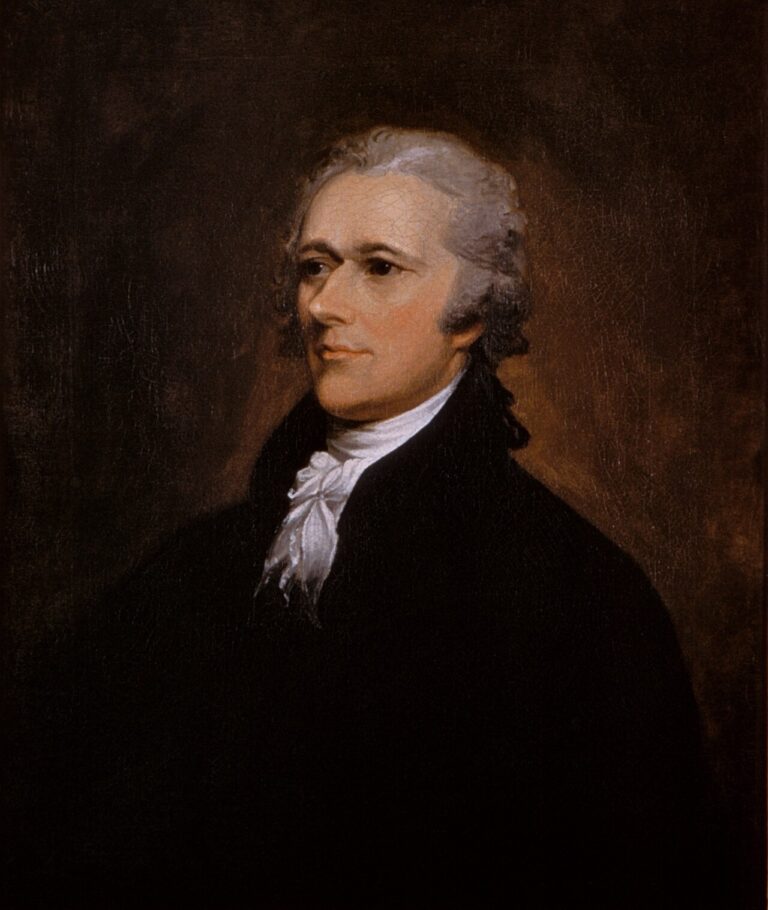
How Alexander Hamilton’s public-credit program addressed roughly $75 million of war debt—and why government debt was never his personal fortune.

Discover the untold stories of history's greatest fortunes — from ancient empires to modern billionaires. Learn the money lessons they never taught you.
Discover the untold stories of history's greatest fortunes — from ancient empires to modern billionaires. Learn the money lessons they never taught you.

How Alexander Hamilton’s public-credit program addressed roughly $75 million of war debt—and why government debt was never his personal fortune.
How George Westinghouse turned the 1869 air brake into a railway-safety business, then applied systems thinking to signaling and electric power.
A dated June 2025 accounting case separates Microsoft unearned revenue, remaining performance obligations, revenue recognition and cash collection.
Why Wimbledon debentures combine long-term seat rights with ground funding, and why the issue price is not a normal ticket price or guaranteed investment return.
Calculate inflation-adjusted return correctly, distinguish taxes and fees, and see why a positive account balance change can still lose purchasing power.
An ETF closure is not automatically a total loss. Learn the difference between liquidation and merger, trading deadlines, cash proceeds and reinvestment risk.
How Alfred P. Sloan’s GM combined decentralized divisions with central financial control—and why the system’s efficiency does not erase its limits.
How J. C. Penney’s 1902 Golden Rule store used local managers, part ownership and repeatable retail rules to expand beyond one Wyoming town.
What HP’s $538 of working capital actually included, how early product economics supported growth, and why David Packard’s management model mattered.
How Mary Kay Ash started her company with $5,000 in 1963, why direct selling reduced retail overhead, and where consultant costs change the profit story.