
John Stuart Mill’s 1848 Political Economy: Production, Distribution and Rights
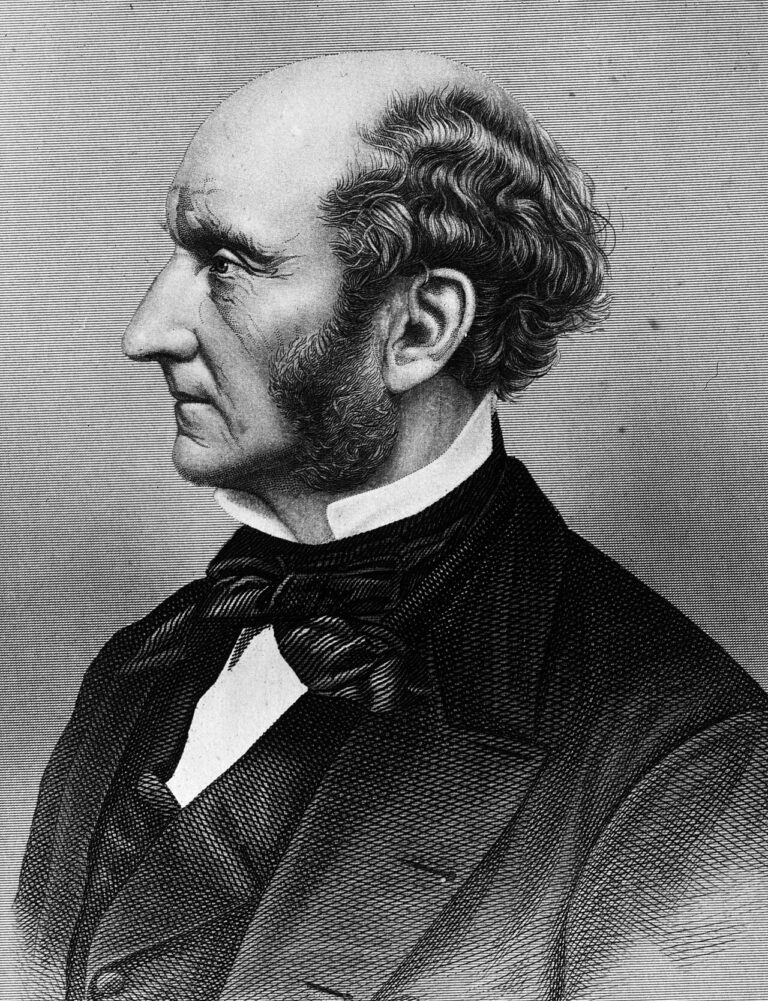
John Stuart Mill’s political economy explained through production, distribution, his East India Company career and the financial meaning of political rights.

Discover the untold stories of history's greatest fortunes — from ancient empires to modern billionaires. Learn the money lessons they never taught you.
Discover the untold stories of history's greatest fortunes — from ancient empires to modern billionaires. Learn the money lessons they never taught you.

John Stuart Mill’s political economy explained through production, distribution, his East India Company career and the financial meaning of political rights.
Alfred Marshall’s supply-and-demand model explained through short- and long-period costs, elasticity, business investment and the limits of simplified diagrams.
Friedrich Hayek’s price-signal and dispersed-knowledge ideas explained through his 1974 prize lecture, monetary research and practical market limits.
Joseph Schumpeter’s creative destruction explained through entrepreneurship, credit, his 1924 bank failure and the financial risks hidden inside innovation.
Use Apple’s fiscal 2025 accounts to distinguish Services revenue, gross margin, shared operating expenses and company profit without inventing a segment net-income figure.
Read London 2012’s public funding forecasts correctly: the £528 million 2013 underspend, contingency, organizing costs and long-term legacy are different measures.
Understand floating-rate and fixed-rate bond funds through coupon resets, duration, Treasury FRNs, leveraged loans and changing income—not yield promises.
Compare physical and synthetic ETF replication, sampling, swap counterparties, collateral and tracking costs without assuming one structure is risk-free.
Irving Fisher’s 1933 debt-deflation mechanism explained with a transparent real-debt example, plus his forecasting errors and harmful eugenics advocacy.
Milton Friedman’s permanent-income research, monetary history and policy-lag argument explained without turning a contested theory into a forecast guarantee.