Arthur Pigou’s 1920 Externality Model: Private Cost, Social Cost and Tax Limits
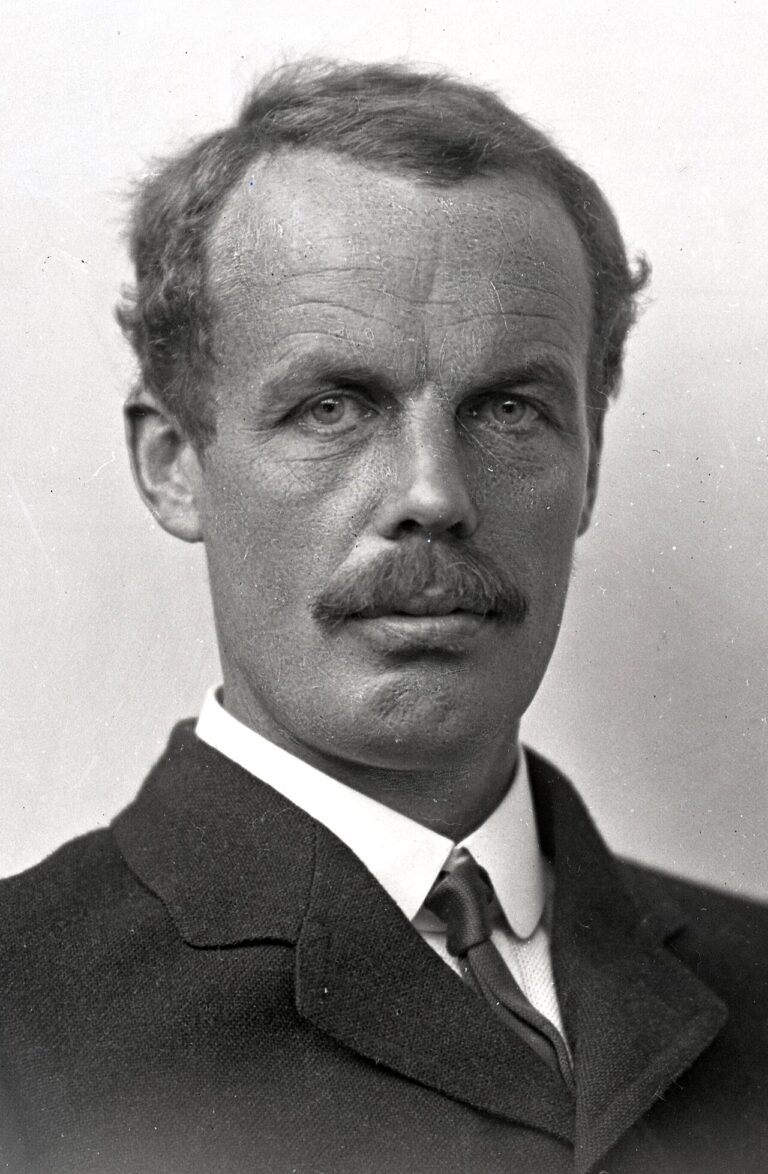
Arthur Pigou’s externality framework explained through private versus social cost, corrective taxes, incidence and the evidence needed before setting a levy.

Discover the untold stories of history's greatest fortunes — from ancient empires to modern billionaires. Learn the money lessons they never taught you.
Discover the untold stories of history's greatest fortunes — from ancient empires to modern billionaires. Learn the money lessons they never taught you.
THE QUIET INCOME ARCHIVE
Careful stories about wealth, decisions, history, and the habits that outlast headlines.
Arthur Pigou’s externality framework explained through private versus social cost, corrective taxes, incidence and the evidence needed before setting a levy.

Vilfredo Pareto’s 80/20 rule explained through distribution measurement, Pareto efficiency, inequality and the risks of turning a pattern into a law.
Use Meta’s dated 2024 results to separate ad impressions, average prices, revenue and profit—and explain why platform growth is not an advertiser’s return.
Explain the 2025 Club World Cup’s $1 billion prize model, its participation and performance pillars, and why a club payout is not the same as profit.
Understand leveraged ETF daily resets with original two-day examples, compounding, path dependence and the risks hidden by a simple 2× label.
Compare accumulating and distributing ETF share classes through cash flow, reinvestment, total return, trading costs and jurisdiction-specific tax treatment.
Thorstein Veblen’s conspicuous-consumption idea explained through status spending, brand pricing, business incentives and the limits of labeling buyers irrational.
Léon Walras’s general-equilibrium model explained through interconnected markets, capital formation, price adjustment and the limits of equation-based certainty.
William Stanley Jevons’s Coal Question explained through fuel efficiency, demand growth, marginal utility and the limits of automatic savings claims.
Thomas Malthus’s population theory explained through food constraints, wages, the 1798 Essay and the danger of turning a model into a fixed forecast.