
Tommy John Surgery and Career Economics: 164 Wins After Recovery
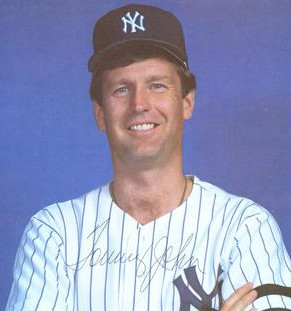
Tommy John won 164 MLB games after his pioneering elbow operation. Here is the financial logic of a longer career, without invented wealth.

Discover the untold stories of history's greatest fortunes — from ancient empires to modern billionaires. Learn the money lessons they never taught you.
Discover the untold stories of history's greatest fortunes — from ancient empires to modern billionaires. Learn the money lessons they never taught you.
The financial side of sports: match revenues, ticket prices, ad deals, broadcasting rights, and the business lessons behind the biggest games.
Tommy John won 164 MLB games after his pioneering elbow operation. Here is the financial logic of a longer career, without invented wealth.

After the Dodgers beat Atlanta 4–1 to reach the 2026 NLCS, here is how playoff tickets, player shares and broadcasts work—without a made-up payout.
The Atlanta Dream will move all 25 home games to State Farm Arena in 2027. What larger capacity can change for tickets, premium seats and costs.
How the NFL packages broadcast and streaming rights, why distributors pay, and what rights revenue does not tell us about profit.
The 2026–27 NBA salary cap, luxury-tax line, and second apron explained with official figures and a practical roster example.
HYROX business model explained through 7 powerful revenue and growth drivers. See how races, entry fees, sponsors, gyms, and repeat athletes create value.
Liverpool 0-0 Fulham: a goalless night at Anfield looks harmless — until you price it. What two dropped points cost in prize money, title odds and the Isak investment.
Chelsea 2-2 Hull City: Belloumi's brace held a billion-pound squad at Stamford Bridge — what the draw costs Chelsea, what it's worth to Hull, and why the underdog's striker just re-priced himself.
Sunderland 0-2 Arsenal: Guimarães and Saka kept the perfect start alive — here is what 12 points from 12 are actually worth in prize money, broadcast cash and player value.
Miami paid Florida A&M $720,000 (plus $40,000 for the band) to come lose 77-7. Inside the 'money game' economy where small colleges get paid to be blown out.