


Gary Becker’s human capital theory treats education and training as investments that use resources now in pursuit of future benefits. The language can be misunderstood: it does not mean a person is property. It asks how tuition, time, forgone earnings, skills and uncertain future income fit into an economic decision.
Written by Ibraham
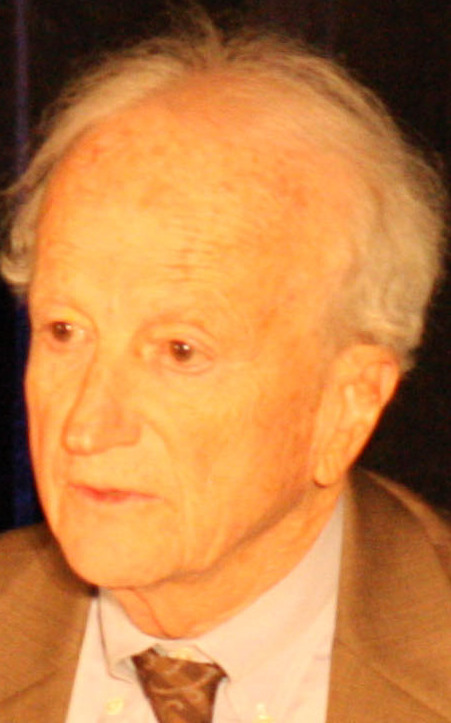
Becker extended economic analysis beyond markets
Gary Stanley Becker was born in Pottsville, Pennsylvania, on December 2, 1930. He earned his University of Chicago doctorate in 1955, published The Economics of Discrimination in 1957 and Human Capital in 1964. After teaching at Columbia, he returned to Chicago in 1970. The 1992 economics prize recognized his extension of microeconomic analysis to nonmarket behavior. He died in Chicago on May 3, 2014.
Books, university appointments and a prize do not establish an audited personal net worth. The Gary Becker profile records the dates and keeps national labor-market questions separate from his own finances.
The visible tuition bill is only one cost
Suppose a fictional one-year program charges $15,000. The student also gives up $35,000 of wages and spends $2,000 on books and travel. The simple economic cost is $52,000 before interest and taxes. If later after-tax earnings rise by $8,000 a year, dividing $52,000 by $8,000 gives a crude 6.5-year payback. That is not a guaranteed return calculation.
The estimate depends on whether the earnings difference was caused by the program, how long it lasts and what the student would otherwise have done. Ability, location, occupation, recession risk, health and discrimination can affect outcomes. Discounting future cash flows and assigning probabilities would change the result.
Skills can raise productivity without guaranteeing income
Training may build skills useful across employers or knowledge specific to one workplace. Who pays and who captures the benefit can differ. A worker may receive higher wages, an employer may gain productivity, or both may share the return. Credentials can also signal characteristics without creating all of the observed earnings gap.
Our Adam Smith productivity analysis emphasizes specialization and institutions. Becker’s framework narrows the question to investments in skills and time, but it should not be used to claim that every wage difference reflects individual effort.
Discrimination is an institution and a constraint
Becker applied economic methods to discrimination, households and other decisions that earlier economists often left to other disciplines. Modeling incentives is not moral approval of harmful behavior. Discrimination can block opportunities, reduce earnings and misallocate talent even when a person has made the same educational investment as someone else.
That boundary also matters for family decisions. Time spent on care has an opportunity cost, but reducing it to market wages alone can omit relationships, unequal bargaining power and unpaid value. The model can reveal a trade-off without settling the ethical choice.
Public averages are not personal forecasts
A national wage premium by education level combines people with different fields, costs and risks. It does not quote the return available to one applicant. A 529 plan versus UTMA account comparison addresses how families may fund education; it does not prove the education will earn a particular rate of return.
Aggregate income measures have similar limits. The scheduled Simon Kuznets national-accounts lesson separates growth totals from welfare and distribution. Becker’s work adds the need to examine how skill investments, constraints and incentives operate beneath those totals.
A decision checklist
Count tuition, required fees, living-cost differences, study time, forgone earnings and financing costs. Compare them with several employment scenarios rather than one salary headline. Include nonfinancial goals, transferability of skills and the option value of changing careers. Then state what evidence would show that the program caused the expected benefit.
Becker’s durable contribution was to make hidden costs and incentives visible. Used carefully, human-capital analysis improves a decision. Used carelessly, it can turn an uncertain social outcome into a false promise that education alone guarantees income.
Sources and Method
- University of Chicago News — Gary S. Becker, 1930–2014
- NobelPrize.org — Gary S. Becker facts
- NobelPrize.org — 1992 prize press release
Checked November 9, 2026. The $52,000 cost and 6.5-year payback are fictional teaching calculations, not a forecast for any school, student or occupation.