
Brunel’s SS Great Britain: Innovation, Locked Capital and Project Risk
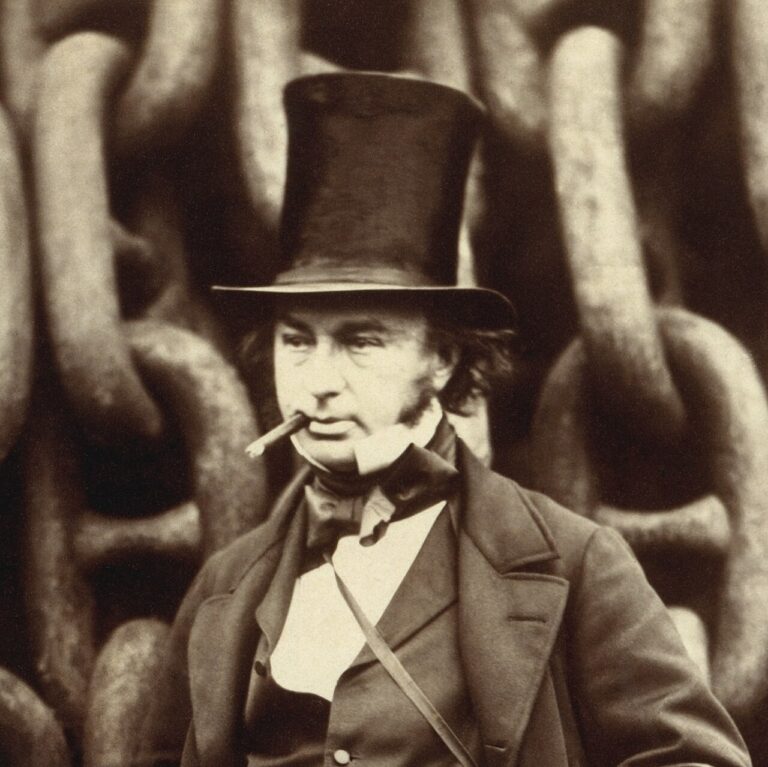
What Brunel’s SS Great Britain reveals about project capital, technical risk, network compatibility and the gap between engineering and returns.

Discover the untold stories of history's greatest fortunes — from ancient empires to modern billionaires. Learn the money lessons they never taught you.
Discover the untold stories of history's greatest fortunes — from ancient empires to modern billionaires. Learn the money lessons they never taught you.
What Brunel’s SS Great Britain reveals about project capital, technical risk, network compatibility and the gap between engineering and returns.

How Matthew Boulton connected factory organization, steam-engine rights and standardized coinage without confusing output with personal wealth.
How James Watt’s separate condenser reduced wasted heat and became a commercial system through patents, fuel savings and Boulton’s capital.
How Henry E. Steinway combined family labor, piano craftsmanship, New York demand and succession without confusing company history with personal wealth.
How Henry Royce’s 1904 motor car and Charles Rolls’s sales network turned engineering quality into a durable commercial partnership.
How William Boeing moved from timber into aviation, financed early production and learned that engineering quality needed a viable market.
How John Deere turned a practical 1837 plow into a manufacturing business through product fit, Moline logistics and controlled scale.
How Isaac Singer combined a practical 1851 sewing-machine patent with demonstrations, manufacturing, branding and installment payments.
How Josiah Wedgwood joined product experiments, royal patronage, showrooms and cheaper transport into an eighteenth-century ceramics business.
How Alexander Hamilton’s public-credit program addressed roughly $75 million of war debt—and why government debt was never his personal fortune.